

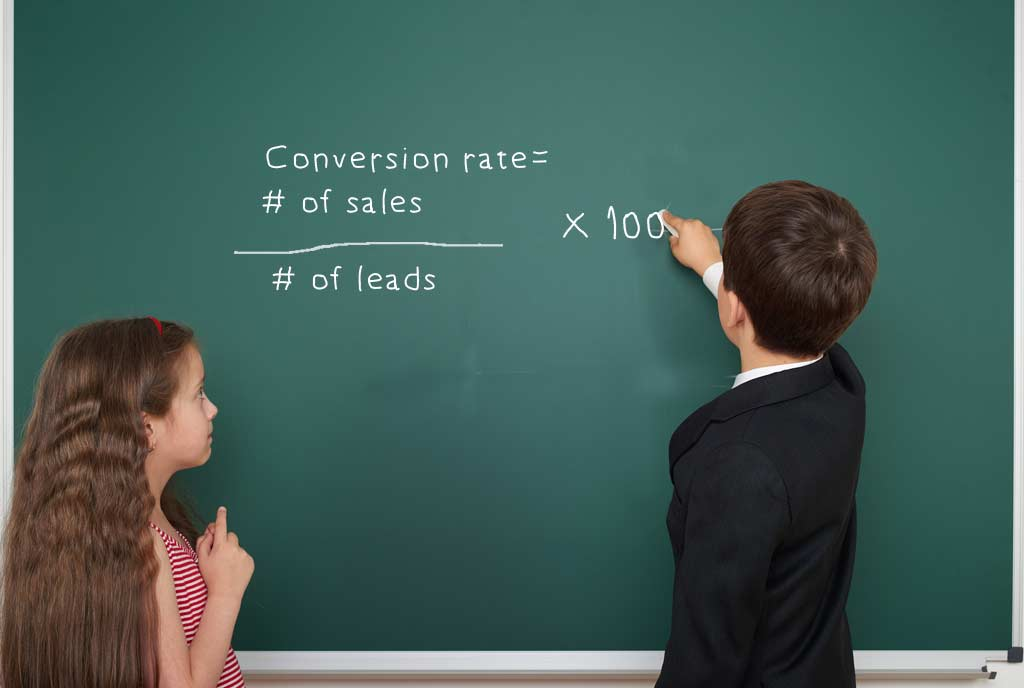
Somewhere in nearly every sales meeting, the same question gets asked in one form or another: Is this good, or is this actually kind of bad? With the right benchmark in place, sales conversion rates turn into something genuinely useful, a clear signal instead of a number floating in a vacuum. That’s a far better place to make decisions from.
Why Averages Are Deceiving
The oft-quoted “average conversion rate” is thrown around a lot, but averages are being pulled from wildly different industries, deal sizes, and sales cycles, which makes them close to useless on their own. A SaaS company selling a twenty-dollar monthly plan is playing a completely different game than a firm closing six-figure enterprise contracts. Lumping both into one number and comparing performance against it is a bit like measuring a sprinter and a marathon runner with the same stopwatch and expecting a fair result.
What The Numbers Actually Tend To Look Like
Broadly speaking, lead-to-close rates across B2B tend to sit somewhere between fifteen and thirty percent for qualified leads, though that range gets stretched thin depending on the source. E-commerce is a different story entirely, with rates often sitting in the low single digits once every visitor, not just serious buyers, gets counted. High-ticket, relationship-driven sales usually see far higher percentages, but that’s largely because the funnel has already been narrowed down to genuinely interested prospects before a rep even picks up the phone. None of these numbers mean much without knowing where they came from.
Benchmarking Against The Wrong Peer Group Is Common
A mistake that gets made constantly is comparing internal numbers to a competitor’s publicly quoted figures, which are usually cherry-picked for a case study or investor deck anyway. A more honest benchmark is built from a business’s own historical data, tracked over quarters, not from a single flashy statistic pulled from someone else’s blog. Improvement against a business’s own past self tends to be a far more reliable signal than chasing an industry average that may not even apply.
Where The Real Gains Usually Hide
Conversion rates rarely improve because of one big, dramatic fix. They tend to creep upward through smaller adjustments, faster response times to inbound leads, better qualification earlier in the process, and follow-up sequences that don’t get abandoned after the second unanswered email. It’s been noted repeatedly that leads contacted within the first five minutes convert at dramatically higher rates than those contacted even an hour later. That single detail alone accounts for more lost revenue than most funnels realize.
Using Benchmarks Without Getting Trapped By Them
Benchmarks are useful as a rough compass, not as a scoreboard to obsess over. A business sitting below the so-called industry average isn’t automatically failing, and one sitting above it isn’t automatically thriving; context always matters more than the raw number. What tends to matter more is whether conversion is trending upward over time and whether the reasons behind any dip or spike are actually understood. Numbers without context are just noise, and chasing someone else’s benchmark blindly rarely leads anywhere useful.